
Drip, Drip, Drip
Players busted, referees questioned as some wonder if gambling is influencing games

No one in my little circle of acquaintances hails the proliferation of gambling, save the few who’d been doing it “on the side” with their local bookies long before someone decided that the casting of lots is cool, that parlays are a better way to a lush retirement than something as sketchy as a 401K.
That was then. A proclivity once deemed illegal in every state but one is now as common as house flies. The gaming toothpaste didn’t just dribble out of the tube, either. Fueled by cellphones and media partners eager to get their beaks wet, Caesars, Draft Kings and others of that ilk are also partnered with leagues, former players, networks and the journalists/personalties they employ which gets kinda dicey when those outlets have to tell of athletes allegedly found to be on the wrong side of such endeavors.
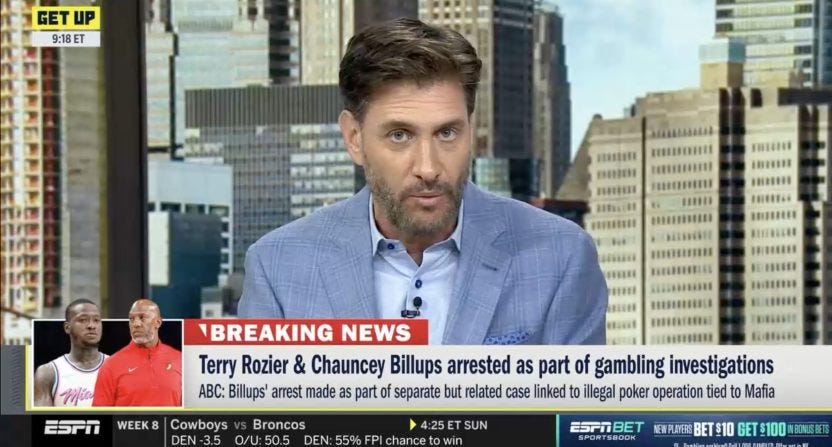
As Packers fans bask in the afterglow of last Sunday’s win over archrival Chicago, a low rumble set in among the Green Bay faithful: the thought that NFL refs looked the other way as Bears offensive linemen illegally held Packers defender extraordinaire Micah Parsons, and did so A LOT. I originally figured the claims were coming from the same folks who think Joe Buck and Troy Aikman have it in for we cheesers, who spit up a little bit of their breakfast every time someone refers to the Dallas Cowboys as “America’s Team.”
Milwaukee’s Shepherd Express columnist Paul Noonan points out the fact that Green Bay head coach Mike LeFleur was part of the what’s-up-with-the-uncalled-holding post-game chorus. Noonan also calls out the officiating crew (including the off-site replay folks) over the way they handled what looked to be DB Evan Williams’ first-quarter interception that, upon further review, suddenly wasn’t (LeFleur’s appeal turned it into an incompletion instead of giving the Bears position at the spot of the play.) The zebras and the Fox broadcast crew did a less than stellar job explaining the rationale behind the decision, The time is now, Noonan suggests, to make sure zebras thoroughly explain what they saw that we at home with our mancave big screens didn’t. “The all major sports have embraced gambling, and the additional revenue that gambling interest brings, but that comes at a cost because it creates a significant conflict of interest,” he writes. “The best thing to do would be sever those relationships and ideally eliminate online gambling, but failing that, the league needs a shift away from its current practice of protecting referees from public scrutiny, to one of transparency.”
That landed in my in-box just after a buddy sent along Pro Football Talk’s deeper dive on the Packers, Bears, the refs and the gaming. “Uncalled Holding Against Micah Parsons Is A Symptom Of A Much Larger Problem,” the headline solemnly warns with PFT’s Mike Florio writing thusly: “Holding is routinely not called by today’s NFL officials. Coincidentally (or not), the NFL wants yards and points and offensive excitement — especially as gamblers who bet the overs (as to the total score and/or the various crack-cocaine prop bets) keep watching the games deep into the fourth quarter to see whether their various wagers will prevail.” Florio reminds us that, before a 1978 rules change, offensive lineman had to ply their trade using the form made popular by the figures in those old metal plug-in electric football games with arms up and clenched fists in. No more, Florio says, as The Shield keeps making changes meant to bolster the passing game, including making it easier for o-liners to block—and sometimes hold—defenders. “It has now gotten out of control,” Florio says, to the point where he suggests that—rather than complain—the Packers and other aggrieved teams coach their pass protectors TO DO THE EXACT SAME THING. “It’s similar to the Legion of Boom’s approach to covering receivers,” says Florio. “Hold them on every single play, because the officials won’t bog the game down by constantly throwing flags…so hold ‘em if you got ‘em. The NFL wants yards and points and bets and viewers. Calling every hold that happens would directly impact each of those valuable factors of modern-day pro football.”
If Florio is right, don’t expect the networks who broadcast games—who are also in bed with the gaming industry—to let us in on this bit of the business plan. The Shepherd’s Noonan points out one obvious walking, talking broadcast conflict of interest, that being Fox’s top analyst, Tom Brady who worked Sunday’s Packers game and who also happens to be part owner of the Las Vegas Raiders.
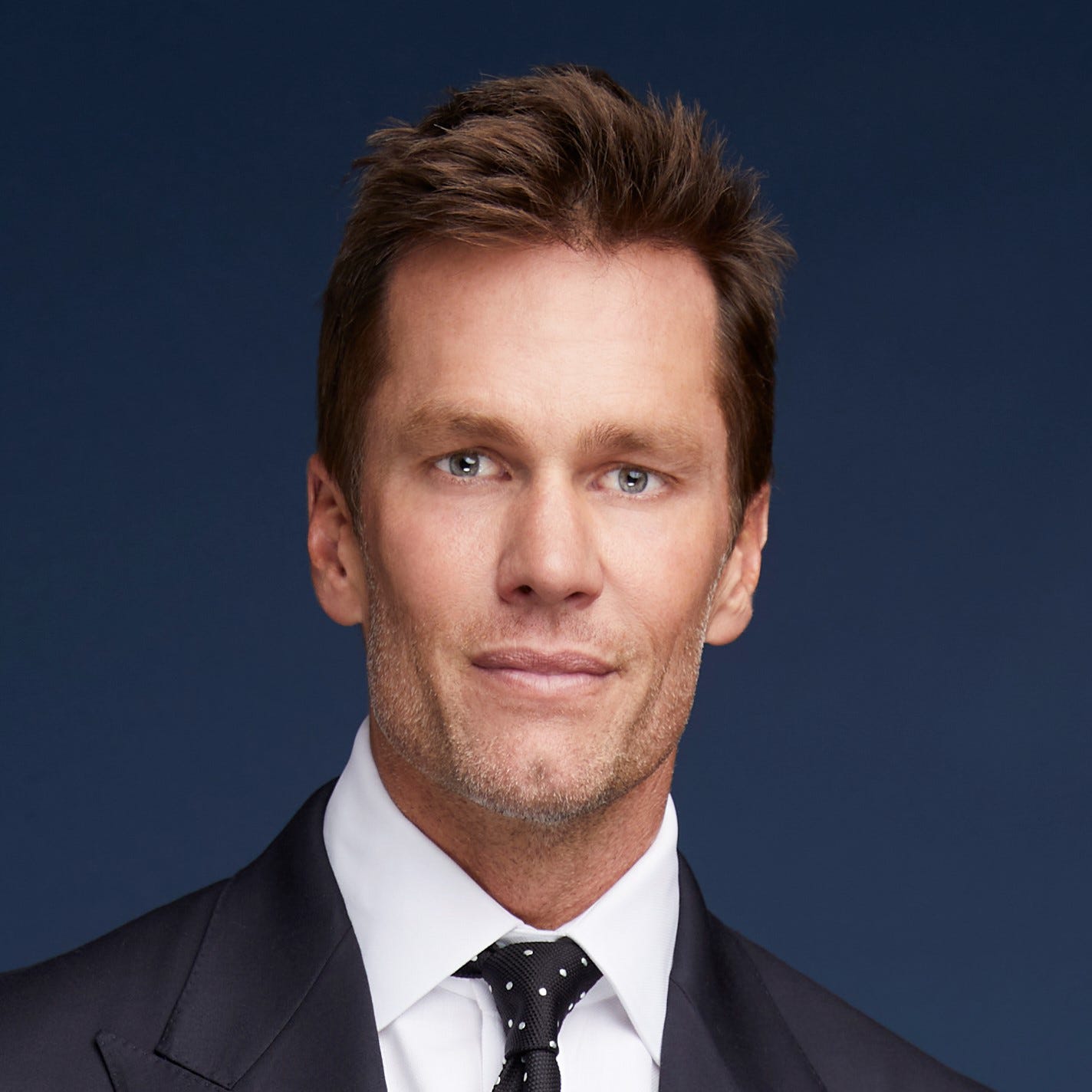
“Because of his ownership affiliation,” Noonan reminds us, “he (Brady) has restrictions on how critical he can be of the league, and the officials while calling games. Brady’s compromised nature stuck out like a sore thumb on this sequence (the Williams’ pick that suddenly wasn’t) because, even in real time it appeared that the officials got the call wrong, or at the very least, there was some ambiguity, but Fox compounded the issue by refusing to show the replay that led to the call being overturned while Brady expressed support for the ruling.”
When the courts loosened the rules on gambling, pro sports leagues didn’t tip-toe into their relationships with the gaming industry. They ran to it full bore, eagerly embracing the chance to reap dollars via fresh revenue streams. How many times did you hear a fellow sports bar patron yell, “The fix must be in!” after a questionable call back in the kinder, more gentler pre-betting era? The drip, drip, drip is on amid worries that the quest for all of that newfound cash is warping what happens between the lines. No one is saying games are being thrown or that points are getting shaved but the specter of doubt is starting to flicker. Today, it’s calls allegedly not being made to maintain interest. What about tomorrow? It took Major League Baseball years and the feats of one Mr. Babe Ruth to restore the game’s cred after the 1919 Black Sox Scandal. Fans want to believe the games they watch are legitimate, governed by officials whose sole responsibility is to the rule book and not some unstated but very real corporate, revenue-boosting whim. Viewers deserve coverage that includes tough questions and real answers delivered by uncompromised analysts. Commissioners who green-lit the rush to gambling revenue should be shaking in their boots over the fact that questions are being raised about betting and how their products are being legislated.
Are they?
Really strong piece on perverse incentives. Florio's point about teaching linemen to hold on every play because refs wont call it creates a tragedy of the commons situation where defensive integrity breaks down league-wide. I caught similar patterns this season where obvious penalties get ignored in 4th quarters when totals are on the line. The Brady ownership stake while broadcasting feels like the kinda thing that'll age poorly when someone looks back at this era.