
Opening Day Eve
MLB makes another tweak while a game-altering trend continues

It’s only one of 162 but seriously, there’s no game that packs the unique spectacle of Opening Day in Milwaukee.
Cars lined up pre-dawn at the Am-Fam parking lot entries. Keg-and-egg breakfasts followed by a pre-game brat or three. There’ve been marriage proposals offered and actual weddings held before the first pitch in years passed. Memories are made. Good times are had. Questionable life choices happen. All get wrapped into the years of lore shared by family and friends as they gather anew each spring.
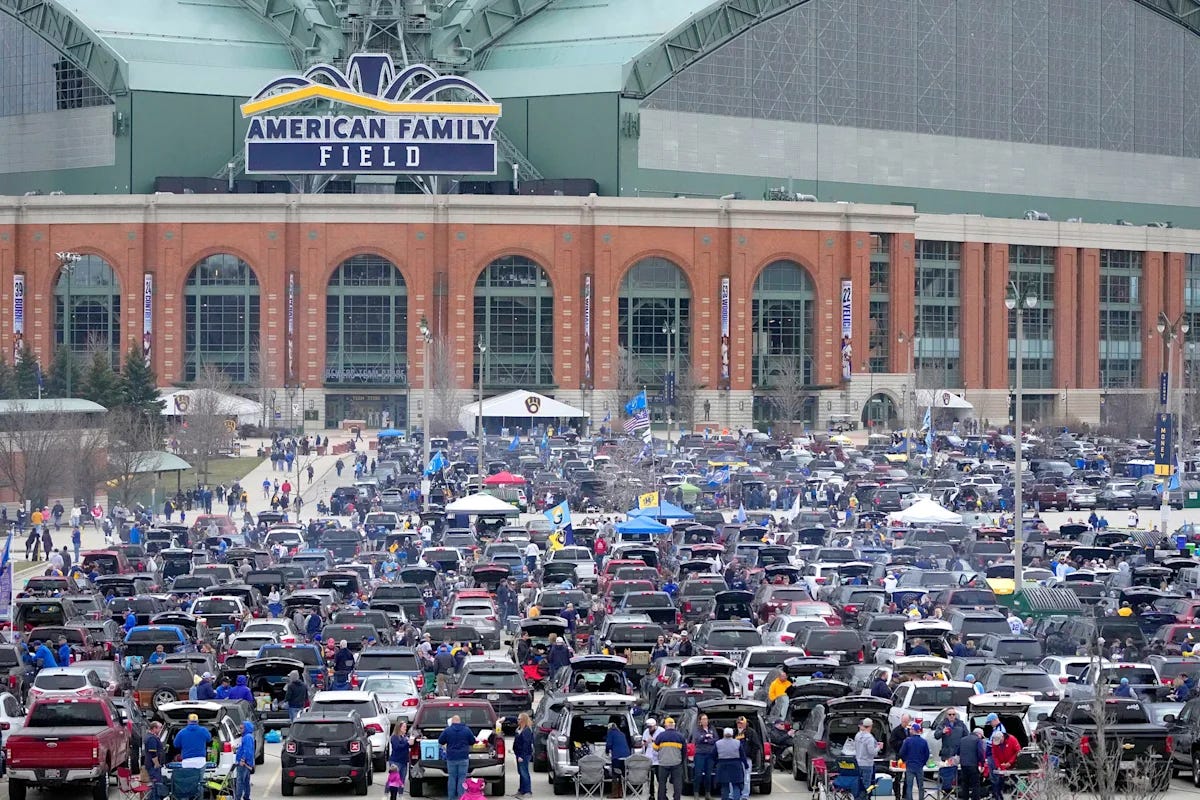
And, there’s a baseball game, too!
The Brewers bring a reformulated crew to the proceedings. Freddy Peralta won’t be on the bump come Thursday—that honor goes to last year’s phenom, Jason Misiorowski. He fronts a rotation that’s rich in youth and full of promise, traits that will be put to the test by MLB hitters who can remorselessly use both to their advantage. There presumably will be someone new at third base, too, since the front office dealt rookie of the year candidate Caleb Durbin to Boston. Oft-injured outfielder Garrett Mitchell made it through spring training without season-ending trauma, so the club’s already logged its first “win” of the campaign, even if it doesn’t count in the standings.
Change is inevitable and, in the case of the Major League Baseball rule book, more frequent. Fans who no longer think twice about pitch clocks, larger bases or extra-inning “ghost runners” now get to meet and greet “the Automated Ball-Strike (ABS) Challenge System (powered by T-Mobile).” Teams get two appeals a game, keeping the ones they get right and losing the those that fail. How teams deem to use them (late or early/pitcher or catcher) will be part of the early-season learning curve. Fans at home can expect to see a more consistent ball-strike box on their TV screens, as all will be generated from the same source which wasn’t always the case in the past.
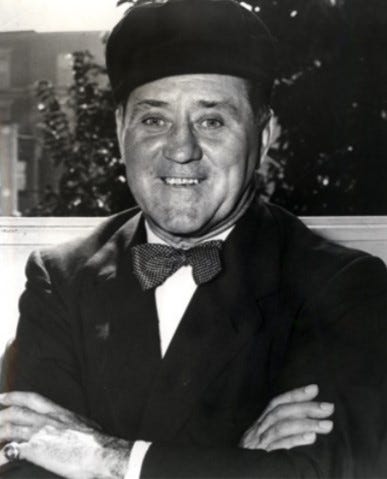
The thought of a machine taking the place of a flesh-and-blood arbiter dates back to the days of Jocko Conlon…
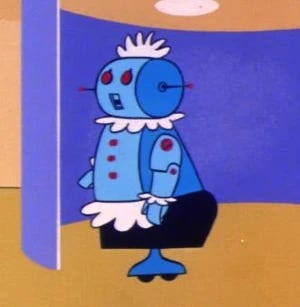
…but we’re told by MLB.com’s Anthony Castrovince that ABS isn’t a Trojan horse, one that’s setting the stage for Rosie the Robotic Maid behind the dish, at least not anytime soon.
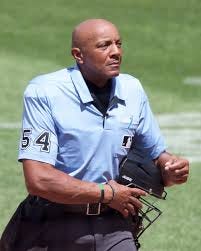
“MLB extensively tested full ABS and found it to be unpopular with both fans and personnel alike,” Castrovince writes. “It led to more walks and a slower pace, and it took away much of the nuance that is baked into baseball, including the art of catcher framing that so many players value.” Then there’s what the folks between the lines had to say after dealing with the system in the minors. Castrovince reports that a 2023 survey of Triple-A players and coaches found that 60% preferred the game format with the ABS Challenge System, versus 24% preferring a zone enforced entirely by human umps and only 16% preferring full ABS. So we’ll still apparently have Angel Hernandez to kick around, at least for the time being.
C.B. Bucknor, too.
Something that WON’T be new this season is the math, at least when it comes to the number of innings pitchers will have to cover, an equation that’s getting harder for managers and GM’s to solve as said hurlers alter their approach to the sport. “Teams must fill the same number of innings as they did when Warren Spahn was an All-Star,” the Athletic’s Taylor Kepner opines this week, “yet their pitchers are engineered for a very different game.” Today’s hurlers, Kepner says, want to be both dominant AND durable, which means throwing their hardest, “spinniest” stuff all of the time. That approach means quicker burnouts and a higher chance of potential injury, one that flies in the face of the way Spahn and others of that era dealt with the game.
Steve Carlton dominated from MLB mounds for more than two decades, with quality and durability his consistent calling cards.
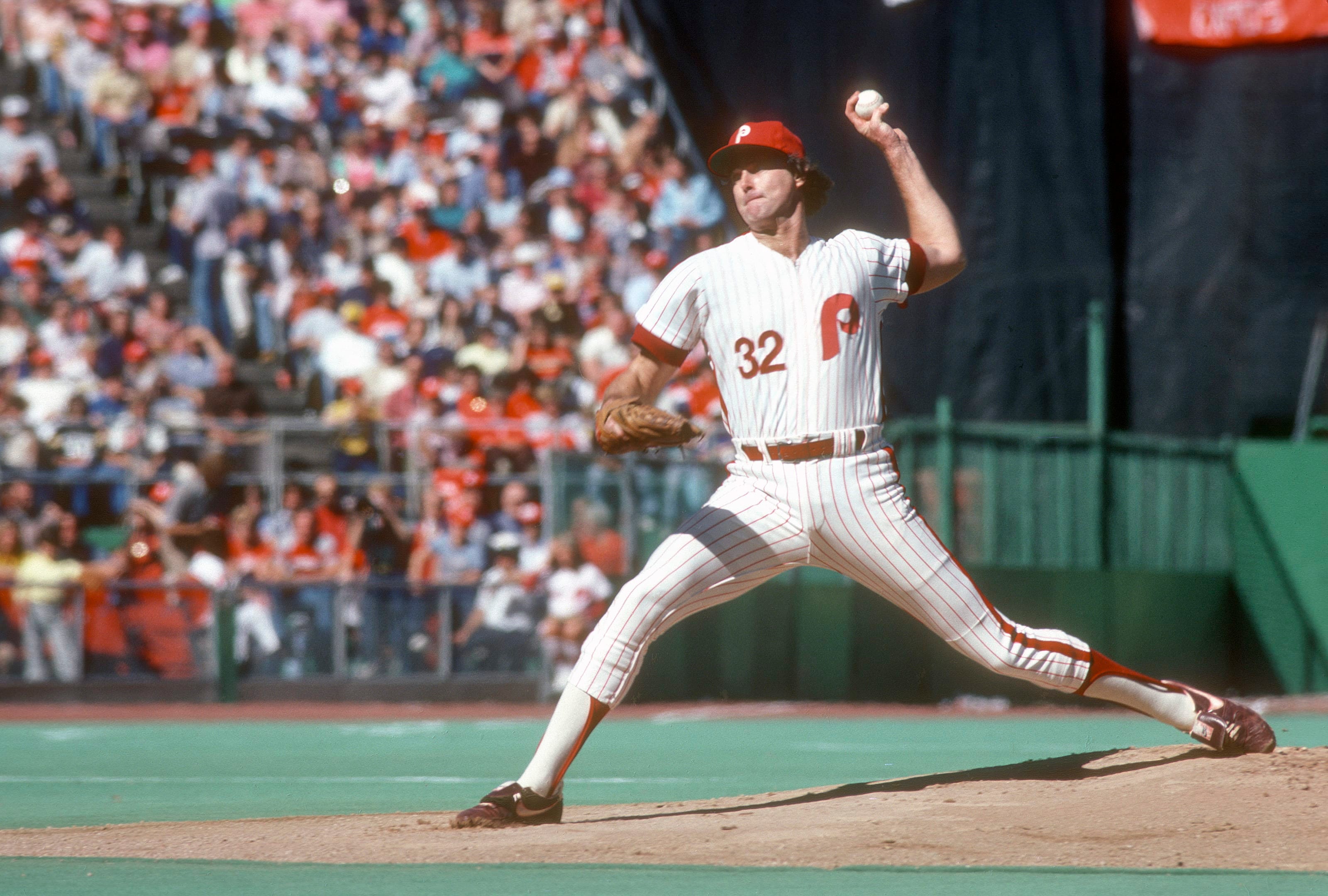
“Pitching isn't just about throwing hard,” he once said. “It's about using your mind and outsmarting the hitter.” Carlton and his contemporaries saved their best stuff for the toughest hitters and most important moments, reverting to their trusty trough of good-enough material for the Mark Bellangers and the sport’s other .200 hitters. “It's not about how hard you throw,” Carlton said. “It's about being able to locate your pitches and keep hitters guessing.”
Kepner points out that no pitcher has thrown 250 innings in a season since Justin Verlander of the Detroit Tigers in 2011. “In his prime,” he writes, “Verlander was well-known for saving his best fastballs for critical moments, often late in games. That was consistent with a century of baseball tradition.” Contrast that with the more recent incarnation of the game, one that Kepner says features pitchers who are “trained to be very nasty — very briefly.” One tells Kepner, “There’s such an inventory of arms that a lot of guys are coming in almost in midseason (form), just because you’re fighting for a spot and there’s only so many spots available…we would all love to stay healthy as long as we can, but we understand that the game is more competitive than ever, it’s more transactional than ever. There are younger pitchers who are nastier than ever, so your time in the game — if you don’t have that sense of urgency, it seems more and more fleeting every year. Our shelf life isn’t as long.”
It may not be a sustainable approach but it’s certainly profitable as front offices are apparently willing to pay more for less.
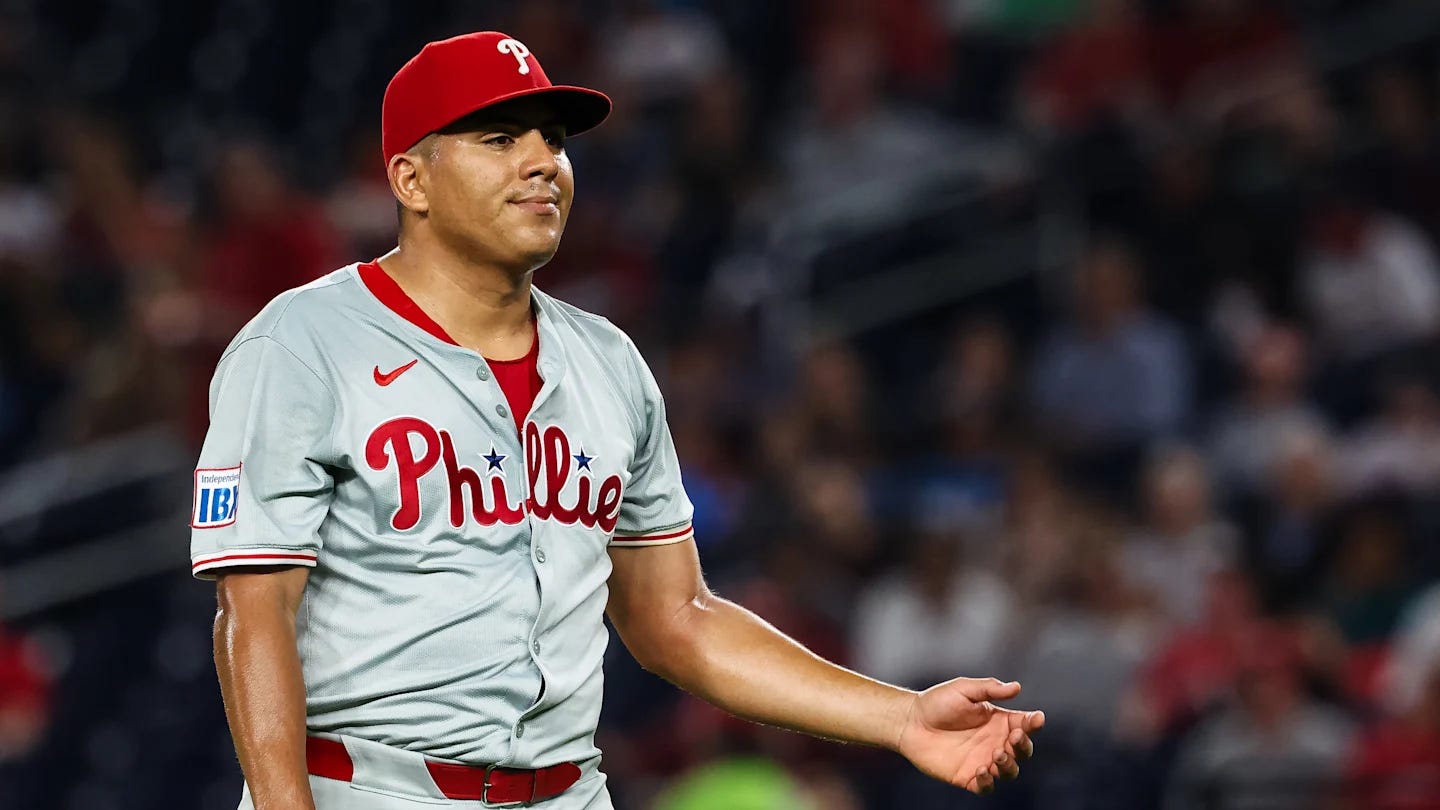
Kepner writes that pitcher Ranger Suarez never reached the 162 innings needed to qualify for an ERA title but that, by delivering a strong 150 most every season, he was able to knock down a five year deal with the Red Sox, one worth $140 million.
The trend is established: pitch counts and metrics mean fewer starters going deeper into games, with inning-eating mid-relievers going the way of the tobacco chaw as managers keep bullpens stocked with flame-throwers good for one frame, max. Expect to see an even more roster churn as GM’s change out gassed big-league arms for fresh ones from the minors. And, probably more guys in need of Tommy John procedures, too, as the body shows the pitcher who’s boss.
The new season sees the grand old game greeting ABS while further embracing the onset of a changed pitching model. Left unsaid is the one thing that’ll decide if Opening Day 2026 will be the last one we see come off as scheduled, what with players and owners still haggling over a new collective bargaining agreement. It’s a tussle those close to the proceedings say will most likely lead to a season-stalling lockout at some point, especially if the two sides stick to their guns about a salary cap. Owners want one. Players don’t. It’a a simple dispute, one that doesn’t lend itself to an easy fix.
It’s glib to say that fans shouldn’t let that threat put a damper on this year’s proceedings but the elephant in the room is hard to ignore. Expect the frequency of stories about MLB labor pains to grow as the leaves start changing colors. The word “strike” as it applies in a baseball sense will change from something occasionally called by a robot to an event brought on by the game’s flesh and blood participants, driven by that most human of traits.
Greed.