
These Things Happen
Extreme weather feels like the new normal. Plan accordingly.

I often think that my backyard grills are cloud-seeders: seems the heavens open up almost every time I fire them up.
So it was Saturday night as I finished work on some chicken breasts. A few drops started to fall just as I took the finished products indoors for a later-than-usual dinner. The heavy stuff, I told my wife, wasn’t coming until much later tonight—or so we’d been told by forecasters who had, indeed, warned of the potential of some flooding as Saturday became Sunday.
No one could’ve anticipated the deluge that was to hit our part of Southeast Wisconsin in the coming hours, more than a foot in some places. “Biblical” hardly seems like an adequate adjective to describe the extent of the flooding we woke up to Sunday morning. You were one of the lucky ones if you had power, a dry basement and easy local neighborhood access. Way too many didn’t, and will be spending days, weeks, if not months trying to get things back to normal.
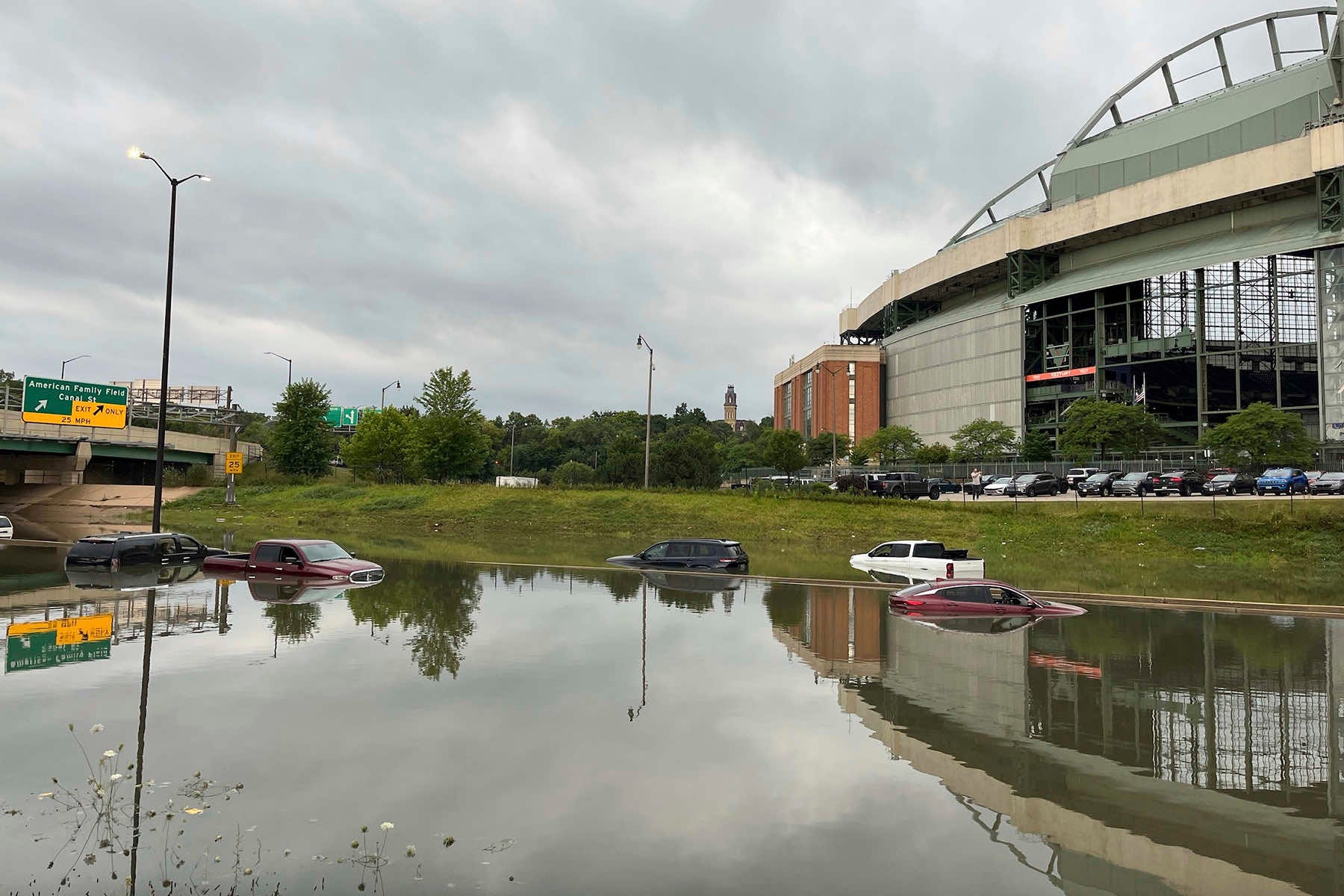
Normal. Yeah. Let’s talk about that.
You won’t be getting a told-you-so global warming screed here, no wag-of-the-finger about choices made and possible consequences. What you will read—if you chose to continue—is a statement of what would seem to be obvious: extreme weather events here and in other parts of the world aren’t rarities anymore. Too hot, too cold, too dry and too wet seem all too common. And, even if we can’t agree on that, we should be able to conclude as one that one should be prepped for such occasions.
Couldn’t hurt, right?
Basements are a blessing, until they aren’t. As a homeowner who had to trudge soggy belongings from an overpacked cellar along with yards of soaked carpet from an adjoining mancave during a 1999 flood, I know the pain so many of you are dealing with today. We promised ourselves we’d NEVER be in that position again: shelves got added, important stuff went into plastic bins and the sump pump that failed when the power went out that fateful night got itself a battery back-up for the future. There’s a generator in the garage, one that was tuned and ready to start when our power went out during a calm, dry midday Tuesday. Despite all that, we still have way too much crap in the basement again, stuff we keep vowing to go through “someday” which hopefully won’t come the next time the elements overwhelm us.
And, they most certainly will again. It’s no longer “if” in my mind, but when.
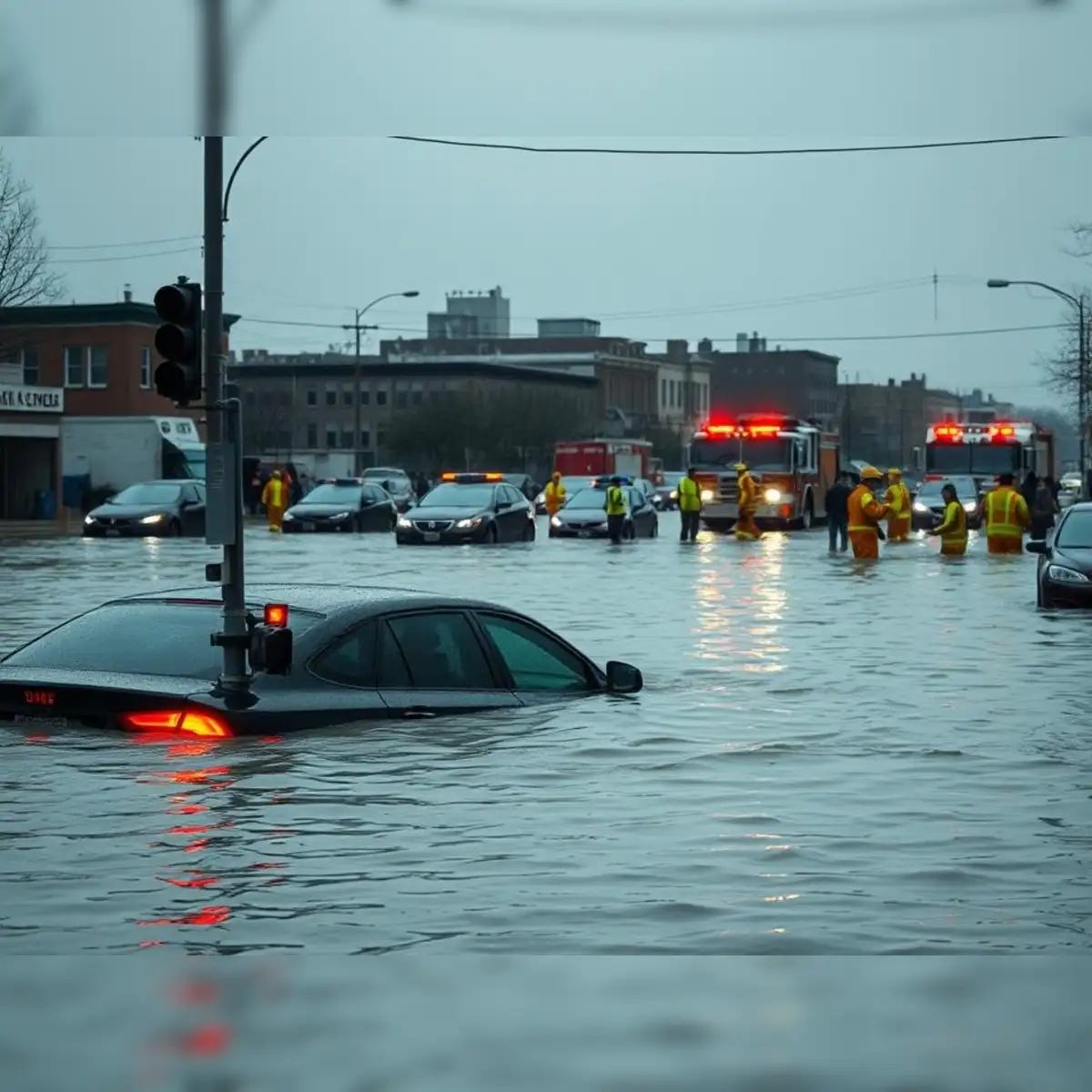
Those outages happen, too, for a variety of reasons. The novelty of going “old school” with candlelight and no TV wears thin rapidly, especially in extreme warm/cold or if your home uses well water—no power means dry taps and unflushable toilets. When minutes become hours and in some cases days without electricity, anger and frustration grow. I’ve seen some posts on social media community pages in my neck of the woods from WeEnergies customers demanding refunds for the time spent powerless and in the dark (bills are based on usage—if you don’t have power to use, you don’t have power to pay for, right?). The utility wasn’t sitting on its collective hands during the recent deluge—crews had to deal with unprecedented conditions that kept them from getting to damaged gear, much less fix it. A small army of workers was in my neighborhood (electric and cable) working non-stop for hours in light and in the dark trying to restore lost services. Sure, it sucks not having wi-fi, not being able to stream Netflix, losing e-mail/internet contact with the rest of the world but there are work-arounds. Utilities are services, not birthrights. They sometimes fail, especially in extreme circumstances. Bitch less. Cope and plan more.
There are bright sides, some in plain sight as you see neighbors helping neighbors haul stuff to curbs or local dumps. Maybe you knocked on someone’s door or made a call to make sure they were okay and, if they weren’t, you did something to help even if it just meant listening to their storm story. Good on you. If you haven’t, there’s still time to do help.
Then there are the Brewers.
Sports are a welcome diversion in tough times, even if the home team is struggling. Just KNOWING there’s a game to watch or listen to tonight after a day of storm repair/cleanup provides a sense of normalcy. If the team wins that evening, so much the better. And if the squad goes on a 12 game heater that means free George Webb burgers, wowsa. These are the best of times, local baseball fans, bar none. A low-budget, small-market gaggle of relative no-names is the hottest commodity in all of the majors. A pearl-clutching fan (like me) frets that the club may be peaking too early, what with a month and a half of the season, with playoffs to hopefully follow. Smart folks simply enjoy the run for what it is—a blast no matter how long it goes, a blessing when it coincides with local hardship.
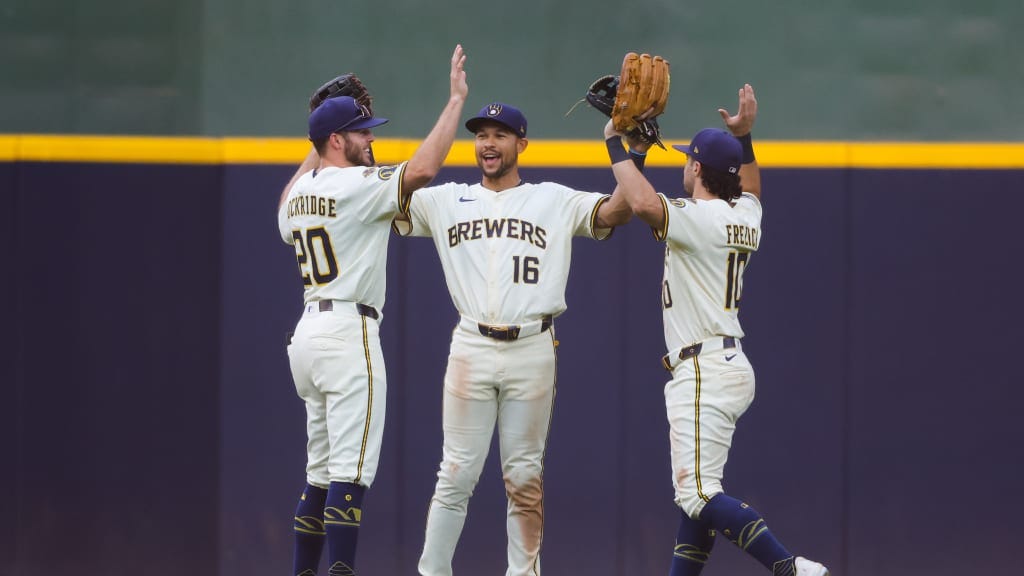
Welcome to the new normal—in the skies, for sure. In the NL Central standings, we can only hope. Mother Nature can’t be stopped, she can only be contained. And, may the same continue to hold true for Pat Murphy’s contingent of burger-serving average Joe’s.